Trauma-Informed Yoga
Yoga is often misunderstood in Western settings as being a physical practice focused on achieving complex postures and ‘pretzel like poses.’ This narrow view can create a sense of exclusion and inaccessibility, and these misconceptions overlook the depth, adaptability, and therapeutic potential of yoga. In reality, yoga is a holistic, integrative practice that respects the unity of mind, body and spirit, and the interconnectedness of every thing. The word “yoga” comes from the Sanskrit word yuj, meaning “to yoke” or “to unite.”
Yoga integrates a number of things, including breath (pranayama), mindful movement, meditation, self-inquiry, and compassionate presence. Far beyond an on-the-mat practice, it offers a pathway to embodied wellbeing and a compassionate way of living.
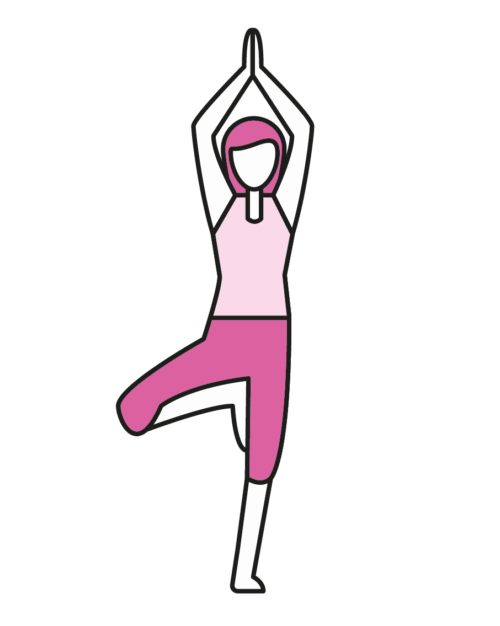
Learn to be compassionately present in your body
What is Trauma-Informed Yoga?
Trauma-informed yoga recognises the impact trauma can have on the whole person – mind, body, and spirit (including what is most meaningful, what gives a person a sense of purpose and connection, and what feels larger than the individual self).
It prioritises safety, choice, empowerment and compassion, creating an inclusive space where you can explore at your own pace. Also, rather than being instructed, you are invited to tune into your body with curiosity and compassion and follow what’s right for you. Practices encourage self-regulation, nervous system awareness, compassion, and embodied presence – supporting resilience, empowerment, and a deeper sense of inner safety and trust.
My Approach to Yoga
I bring a compassionate, trauma-informed approach rooted in care, choice, empowerment, collaboration, and nervous system awareness. Many people have shared that I have made yoga feel accessible to them for the first time, enabling them to experience its benefits in ways that feel safe and supportive.
Yoga is integrated into my:
- Physiotherapy sessions (physio-yoga)
- Integrative Somatic Therapy sessions
- Embodied somatic wellbeing workshops
- Bespoke wellbeing programs
Yoga is offered in ways that are adaptable, empowering, and deeply respectful of individual needs. Additionally, I sometimes incorporate Yoga Nidra, a deeply restorative guided meditation, into both 1:1 sessions and group workshops.
Yoga Styles
I have trained in Hatha, Restorative & Trauma-Informed Yoga, and my approach may include elements of other styles of yoga from self-study, as well as adapted tai chi and pilates from my broader movement training.
Hatha yoga
A gentle, foundational style integrating breath with mindful movement, and mudras (hand gestures). It supports awareness and embodied presence, and emphasises finding a balance between effort and ease.
Restorative yoga
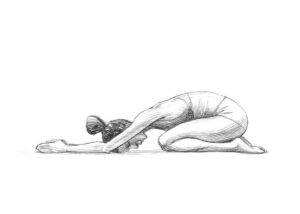
Is a very gentle and deeply restful style of yoga that uses props to fully support the body in comfortable postures of stillness – postures are typically held, fully supported by props, for anywhere between 5 and 20 minutes. This practice encourages deep relaxation, nervous system regulation, and a felt sense of safety, which can be particularly helpful for stress, fatigue or pain.
Potential Benefits
Research consistently supports yoga’s role in improving both physical and mental health, contributing to an overall sense of healing, wholeness, and quality of life. Specifically, when practiced with awareness, an understanding of nervous system regulation and compassion, yoga can support:
- Nervous system regulation and emotional wellbeing
- Stress and anxiety reduction
- Improved sleep, focus, balance, strength and coordination
- Enhanced self-awareness, embodied presence and self-compassion
- Managing chronic health conditions
- Cultivation of curiosity, compassion, and resilience
- Increased sense of wellbeing and healing
Who is It For?
Trauma-informed yoga is suitable for anyone seeking embodied wellbeing, self-awareness, self-compassion, and personal growth, including:
- Individuals living with chronic health conditions, such as: persistent pain, fibromyalgia, Long Covid, ME/CFS, and PoTS
- People experiencing chronic stress, burnout, or who have a history of trauma
- Those looking to deepen body awareness, mindfulness, and self-compassion
Next Steps
Curious about how trauma-informed yoga could support your wellbeing? Explore how this is integrated into my therapeutic work here:
You’re welcome to get in touch to book a free 15 minute discovery call to see if it’s right for you (no obligation to continue), contact Ann:
- Email info@unityphysio.co.uk
- Call 07871240188
- Click the Book Now button
Location
You can arrange a virtual appointment for anywhere in the UK or an in person appointment in North Hykeham, Lincoln.
Get in touch
If you would like to find out how Ann can help manage and change fatigue, do what you love, live well and thrive again get in touch to book your appointment, or a free 15 minute call to help you decide if working with Ann is right for you.